

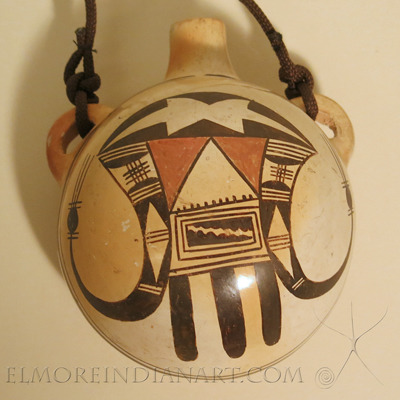
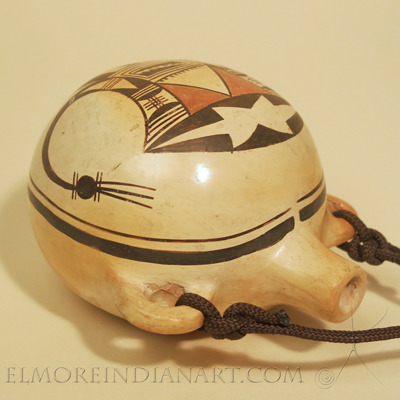
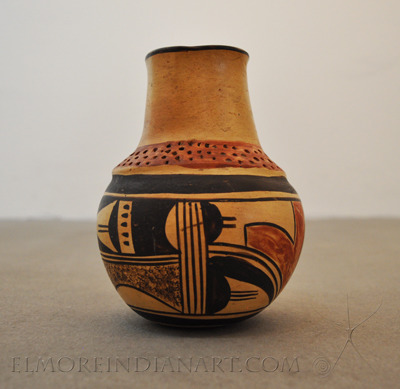
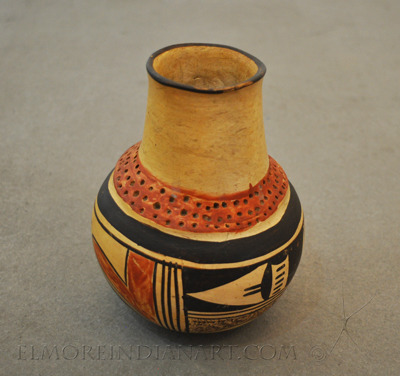
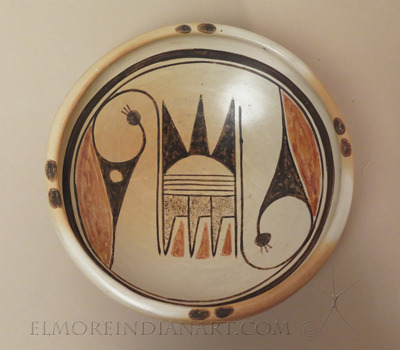
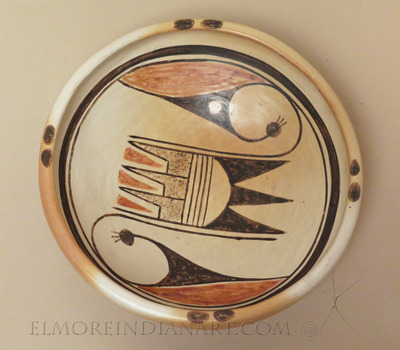
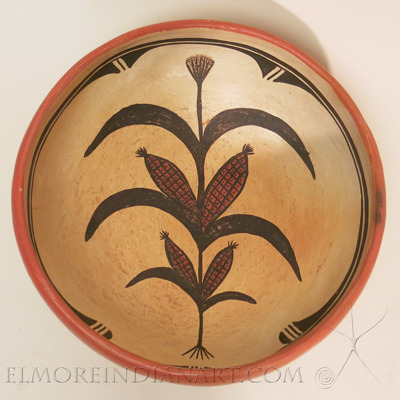
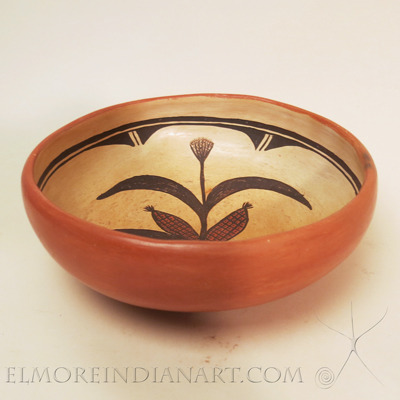
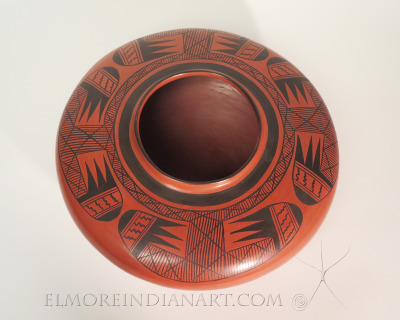
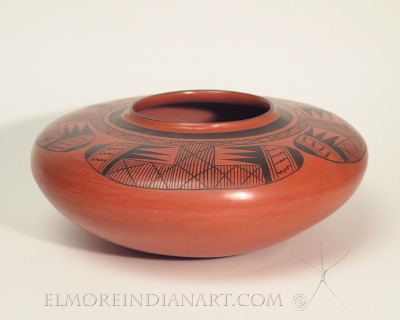
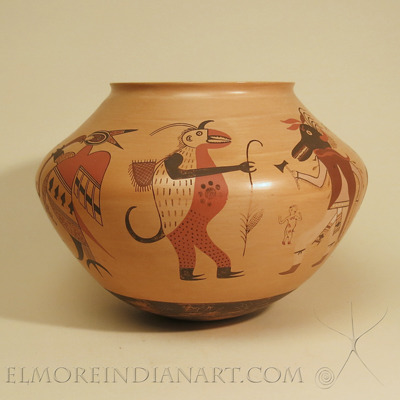
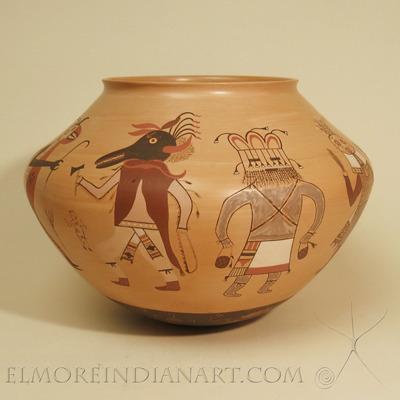
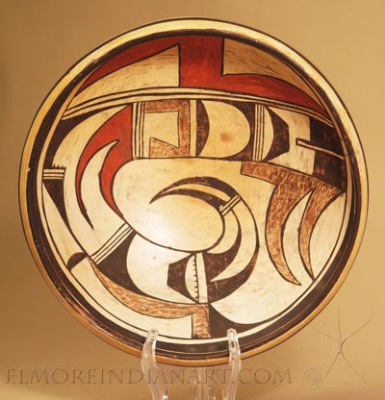
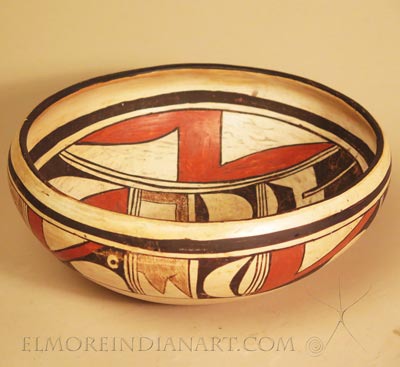
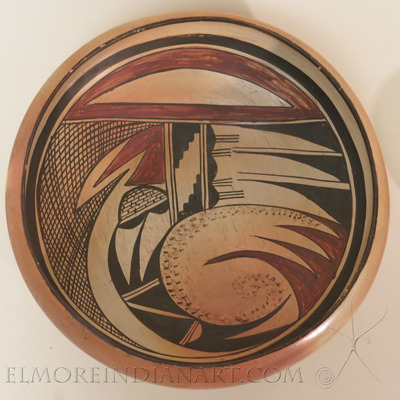
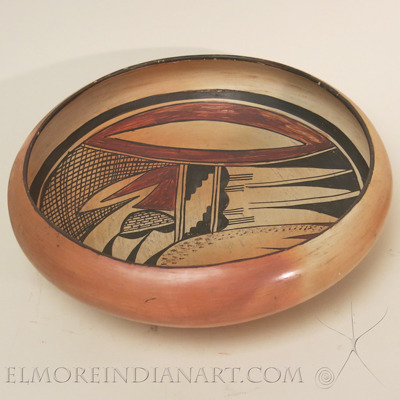
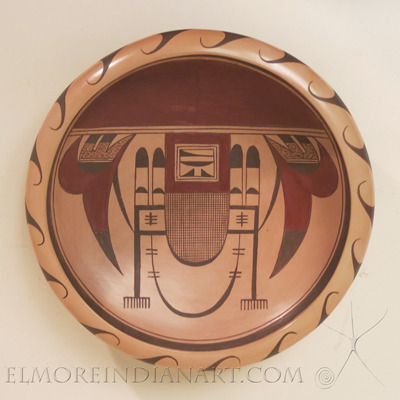
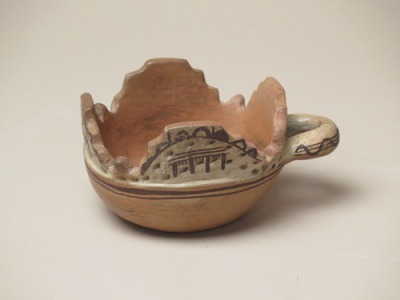
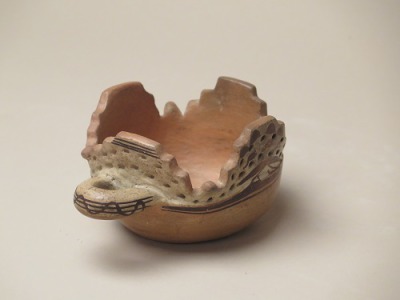
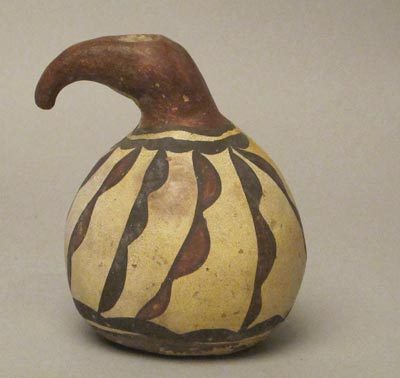
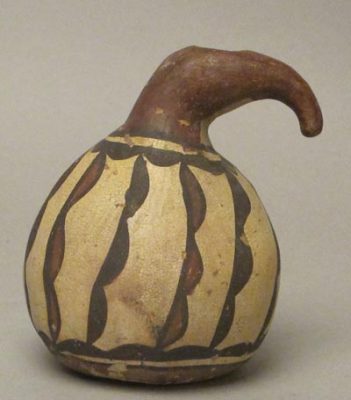
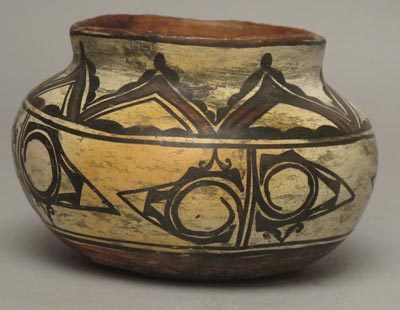
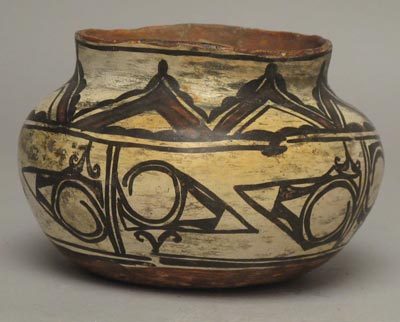
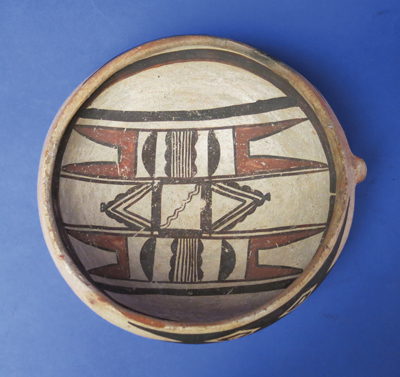
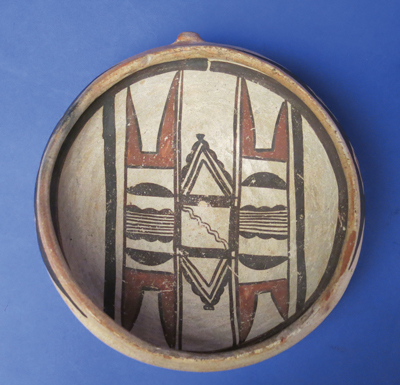
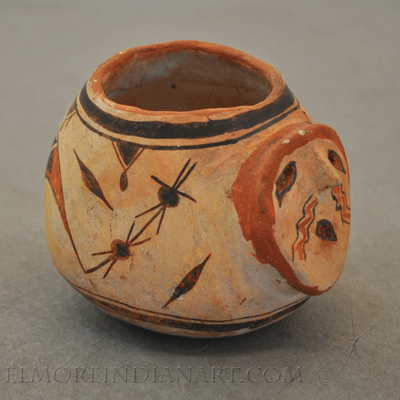
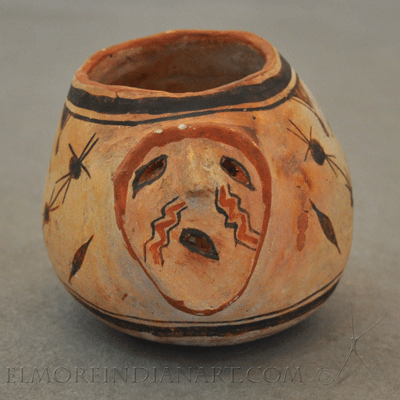
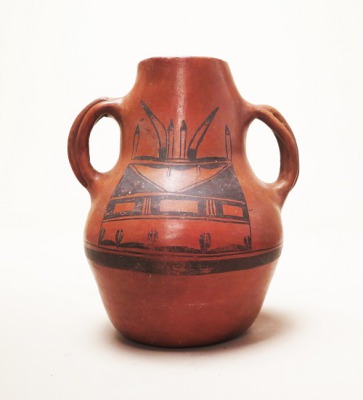
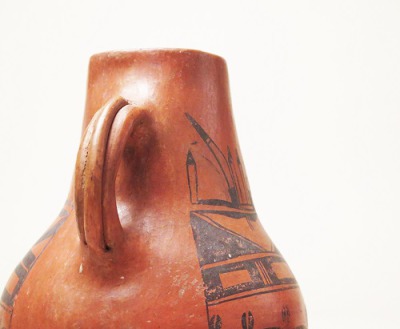
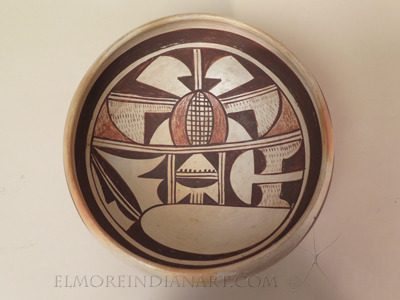
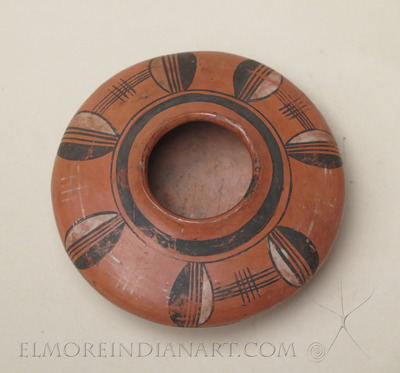
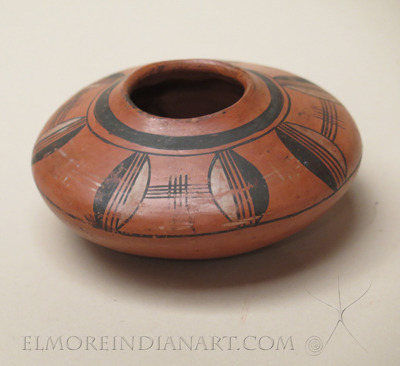
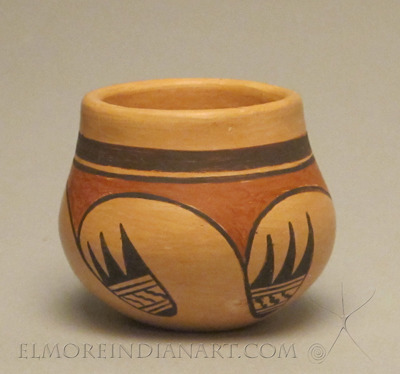
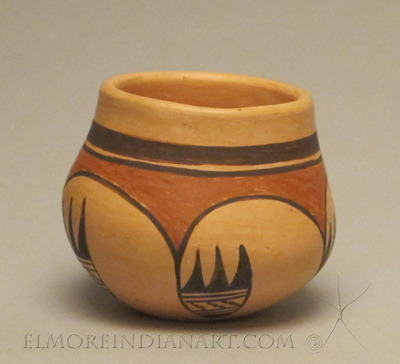
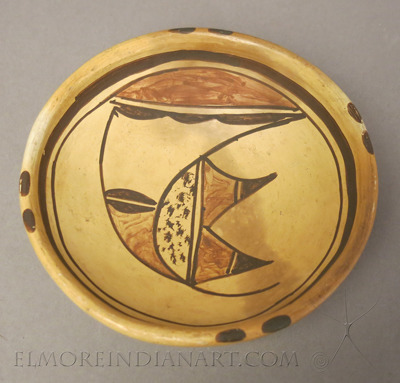
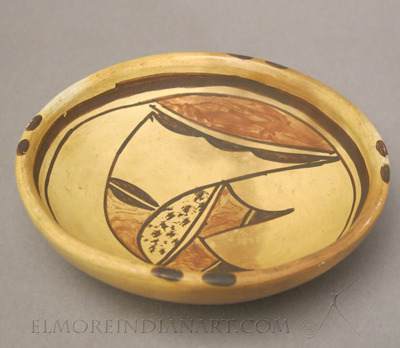
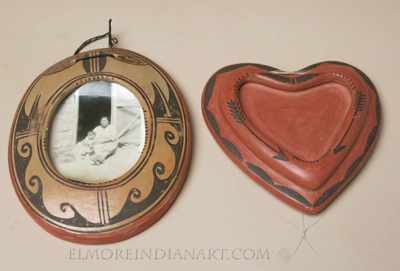
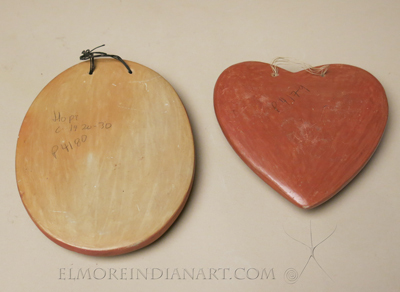
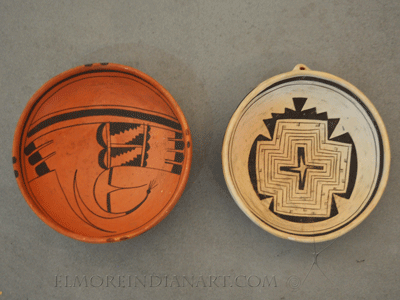
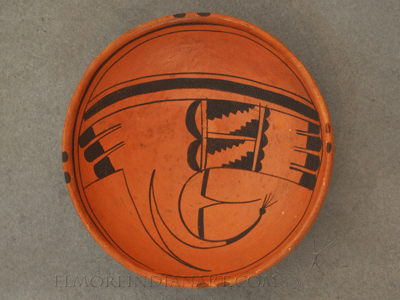
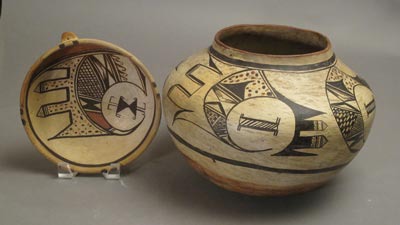
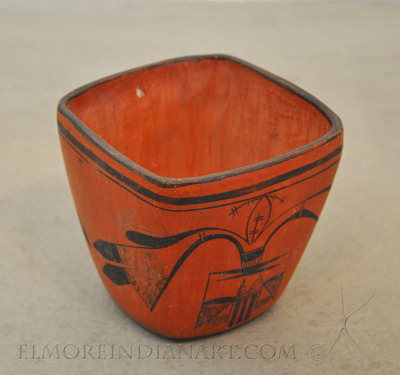
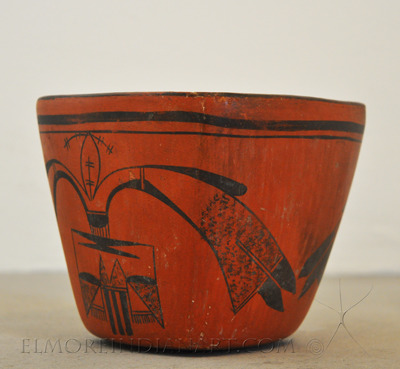
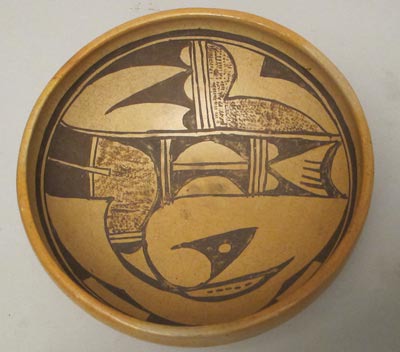
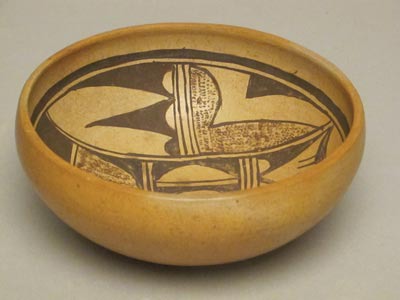
Black on Red Hopi Bowl, c.1950-60
|

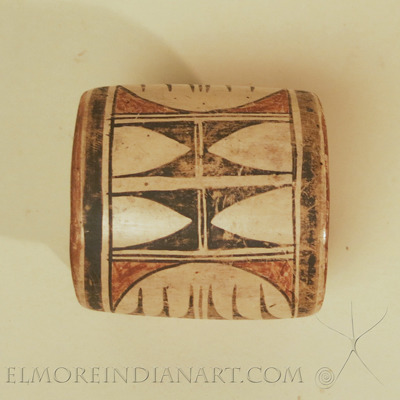
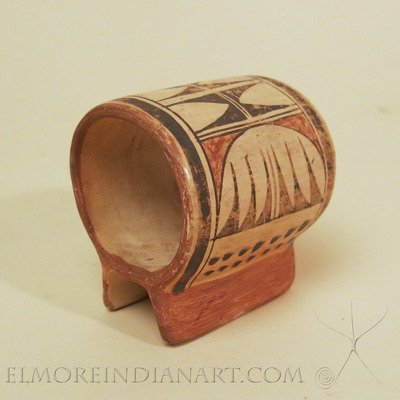
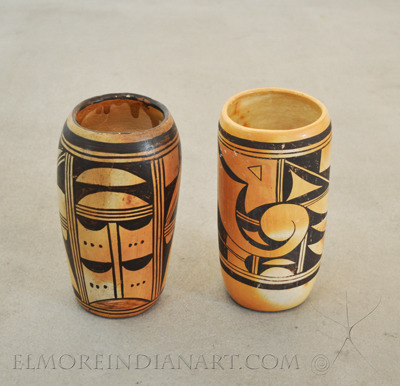
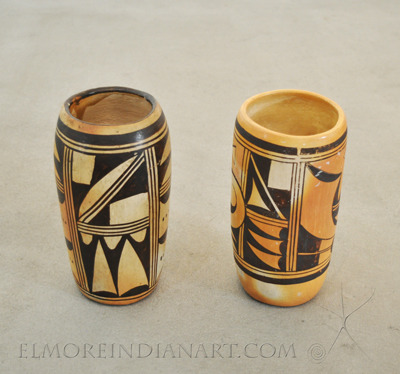
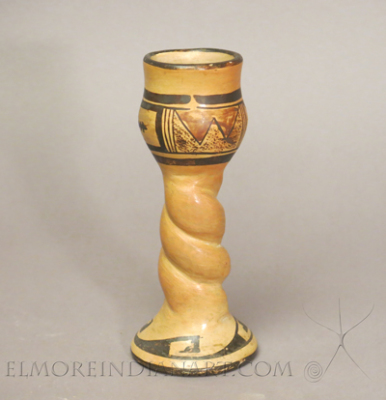
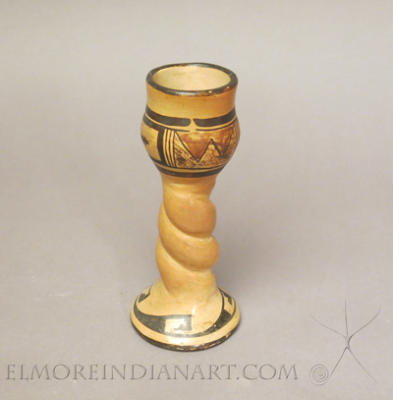
Cylinder vase
|

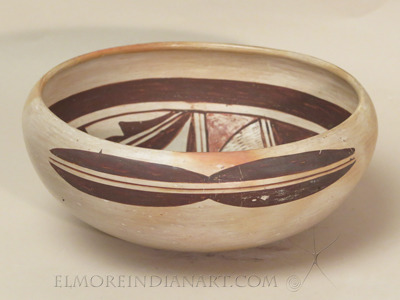
Hopi Bowl, c.1925-30
|

Hopi Bowl, c.1950
|

Hopi corn meal dish
|

Hopi Cornmeal Wall Pocket, c.1930
|

Hopi Cylinder Vase, c.1915
|

Hopi Handled Bowl, c.1940
|

Hopi Hollow Handle Ladle, c.1920
|

Hopi Kachina Bowl, c.1925
|

Hopi kachina plate, c.1900
|

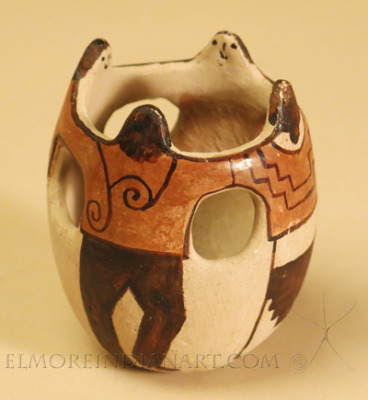
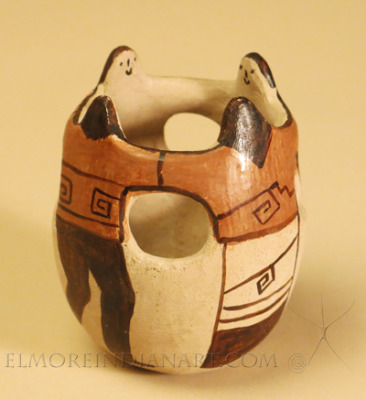
Hopi Migration Seed Jar
|

Hopi Olla, c.1940
|

Hopi Open Bowl, c.1930
|

Hopi piki bowl
|

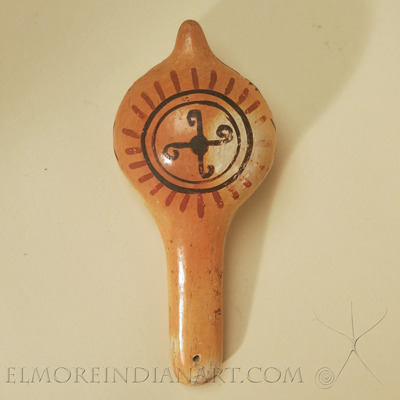
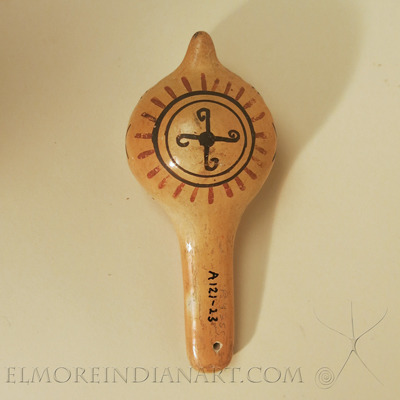
Hopi Pipe, c.1920
|

Polacca Polychrome Jar, c.1890
|

Hopi Polychrome Jar, c.1940
|

Hopi Polychrome Bowl, c.1925-35
|

Hopi Polychrome Bowl, c.1900
|

Hopi Polychrome Bowl, c.1930
|

Hopi Polychrome Bowl, c.1930
|

Hopi Polychrome Bowl, c.1930
|

Hopi Polychrome Bowl, c.1930
|

Hopi Polychrome Bowl, c.1930
|

Hopi Polychrome Bowl, c.1945
|

Hopi Polychrome Cylinder Vase, c.1920
|

Hopi Polychrome Cylinder Vase, c.1940
|

Hopi Polychrome Cylinder Vase, c. 1940
|

Hopi Polychrome Effigy Face Jar, c.1920
|

Hopi polychrome jar
|

Hopi Polychrome Jar, c.1930
|

Hopi Polychrome Jar, c.1930
|

Hopi Polychrome Jar, c.1940
|

Hopi Polychrome Jar, c.1950-60
|

Hopi Polychrome Jar, c.1930
|

Hopi Polychrome Kachina Bowl, c.1910
|

Hopi Polychrome Lidded Jar, c.1940
|

Hopi Polychrome Lidded Jar, c.1950
|

Hopi Polychrome Open Bowl, c.1930
|
Hopi Pottery
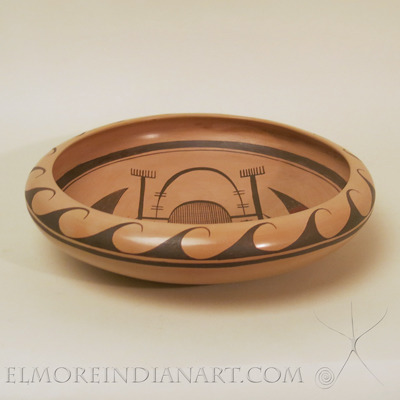
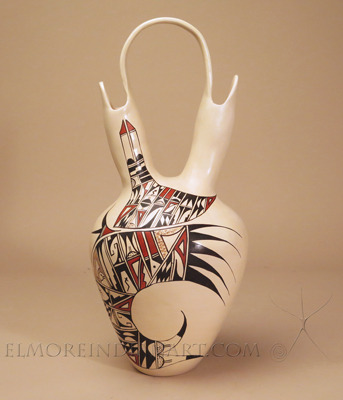
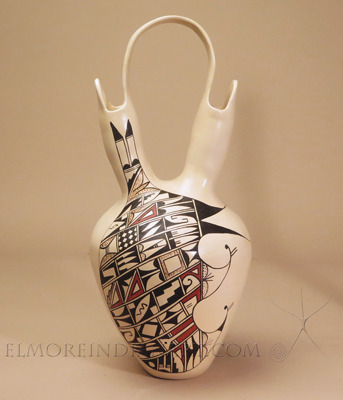
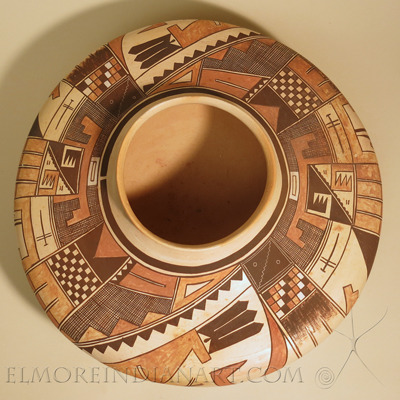
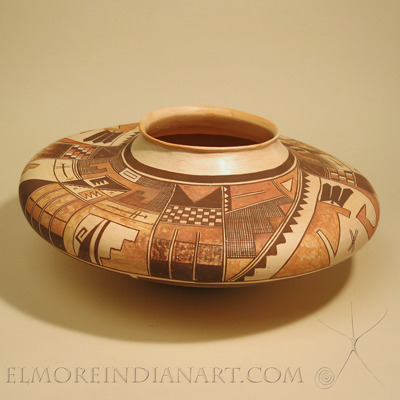
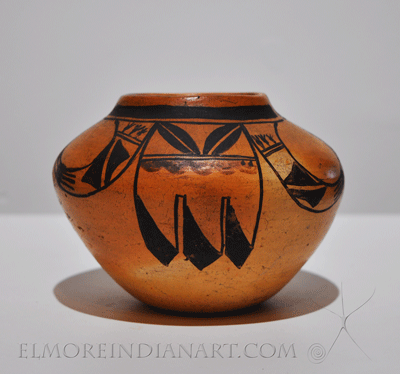
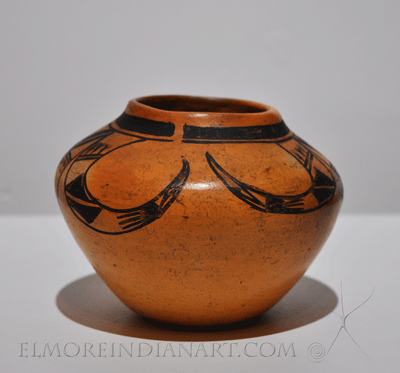
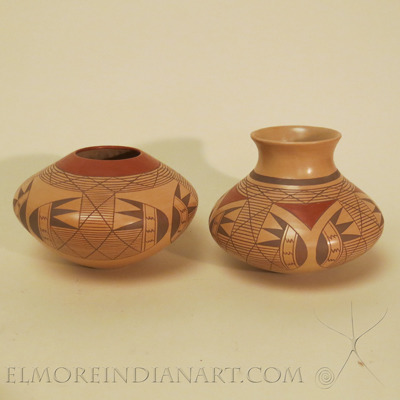
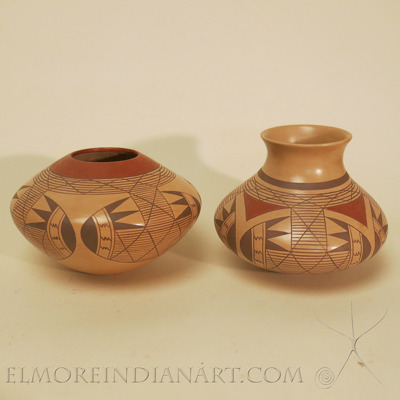
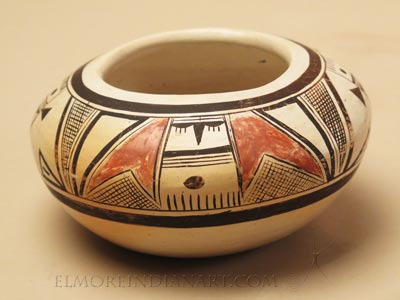
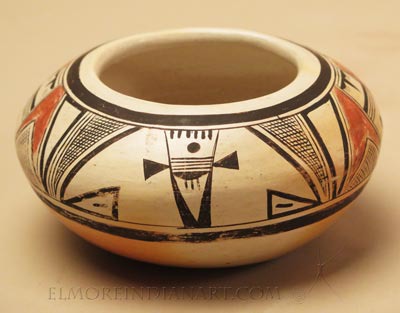
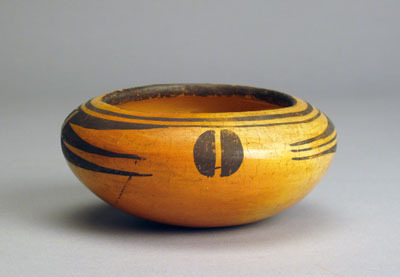
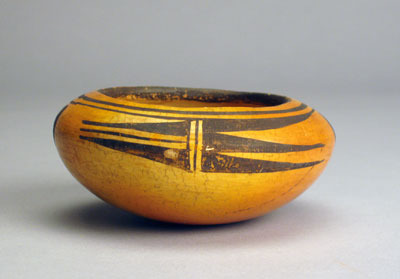
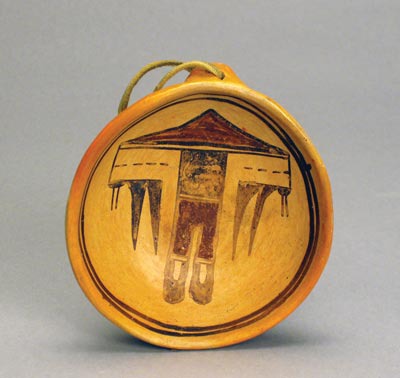
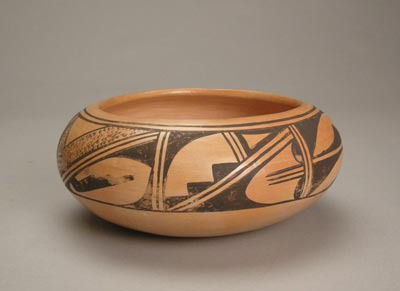
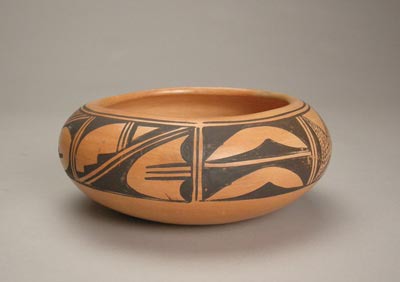
Located in Northern Arizona atop three large mesas are the Hopi pueblos. On First Mesa there is a long tradition of pottery making that was ultimately shaped by the master potter Nampeyo at the turn of the 20th century. Nampeyo is credited with the revival of a prehistoric Hopi pottery type named Sikyatki after an archaeological site near First Mesa. In addition to the distinct designs that Nampeyo revived, Hopi pottery is also known for it wonderful blushes. The blushes are created by a combination of the natural iron rich clay and the pit firing technique. It is the tonal yellow to dark orange surface of Hopi pottery that distinguishes it from the other Pueblos.